 Want to work smarter with AI? See how Agentforce fits your business.

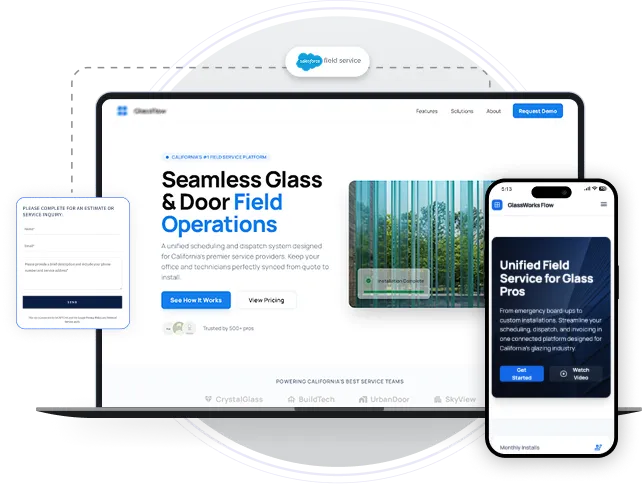

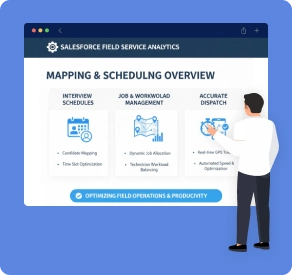
Our experience with Salesforce Field Service gave them confidence we could map schedules, jobs, and workloads accurately.
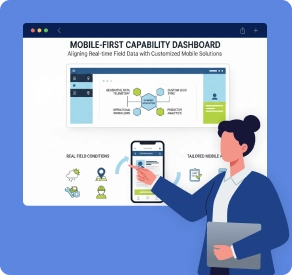
We offered the ability to design a tailored mobile app aligned with real field conditions.
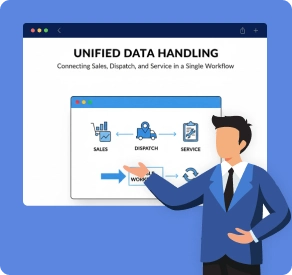
Our team understood how to connect sales, dispatch, and service information in a single workflow.
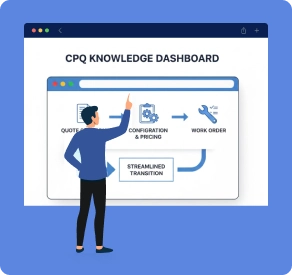
They valued our capability to streamline quoting and ensure consistent quote-to-work-order transitions.
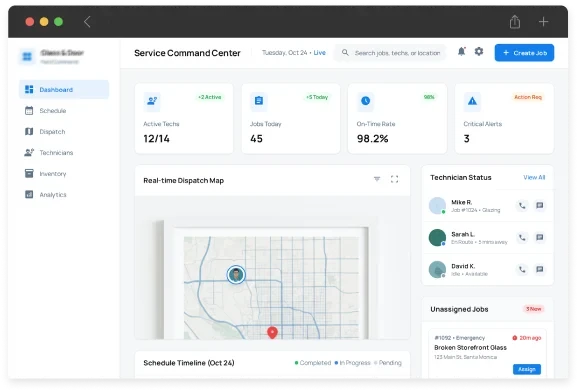
We implemented Salesforce Field Service to organize technician assignments, shift patterns, and routing in one environment. Dispatchers gained accurate visibility into availability, workloads, and job priorities. Automated scheduling rules helped assign the right technician to each task. The updated workflow reduced manual steps and gave the team a clear view of jobs moving through the day.
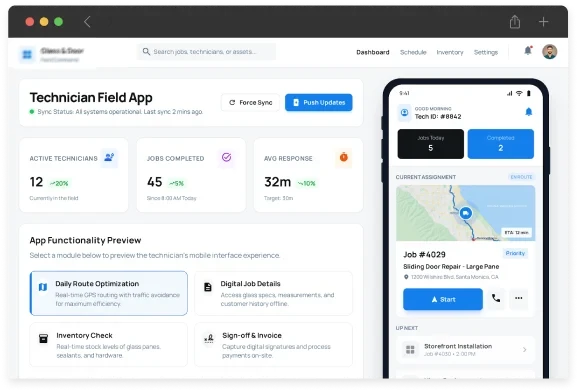
We built a mobile app that allowed technicians to access work orders, schedules, and customer history directly from the field. The app supported live status updates, appointment confirmations, and on-site documentation. It aligned with real working conditions, giving technicians a reliable way to complete tasks without returning to the office or calling dispatch for details.
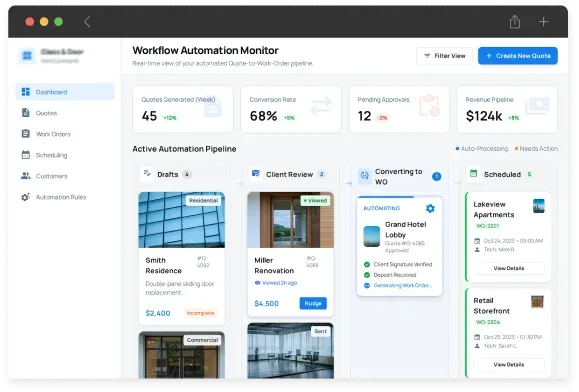
Using Salesforce CPQ, we created a structured quote setup that guided sales teams through consistent pricing and configuration. Approved quotes automatically generated work orders in Field Service, removing re-entry errors. The flow ensured sales and service teams operated from the same data, eliminating delays created by manual handoffs.
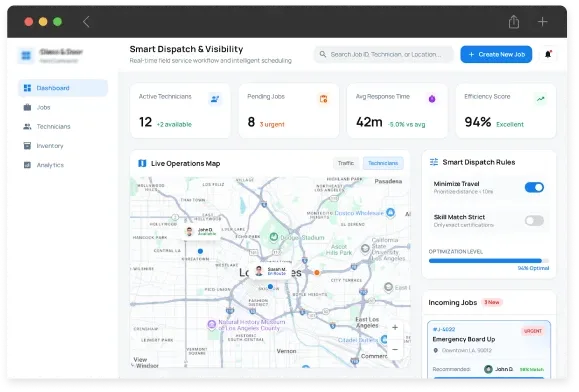
Smart dispatch logic routed jobs based on skill, location, and workload. Technicians could view assigned tasks, customer notes, and job history in real time. This improved coordination across the team and reduced the time spent clarifying job details. Dispatchers gained clearer insight into progress, helping them respond quickly when workloads shifted.

We introduced dashboards across Sales Cloud and Field Service, enabling supervisors to monitor technician productivity, job timelines, and daily workloads. The team gained consistent insight into KPIs, helping leadership make informed decisions about staffing, scheduling, and operational planning.
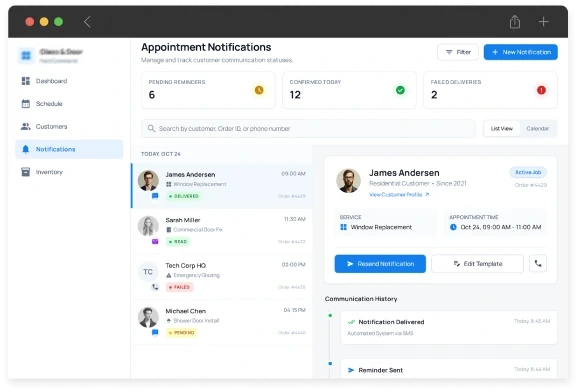
Appointment updates were embedded into the workflow through Field Service, giving customers timely notifications. The updates relied on data the technicians already provided, generating a smoother, more predictable customer experience.
