


Working in Salesforce involves mistakes from time to time; sometimes, they are easy to spot, while other times, resolving them can take hours of debugging if you do not know what you are doing.
This guide covers some of the most common Salesforce errors, what they actually mean, and how you can resolve them without wasting time digging through logs blindly.
Quick Overview
|
Error Message |
What It Means |
How to Fix It |
|
REQUIRED_FIELD_MISSING |
A required field is empty |
Provide all mandatory fields |
|
INSUFFICIENT_ACCESS_ON_CROSS_REFERENCE_ENTITY |
No access to related record |
Check permissions and sharing |
|
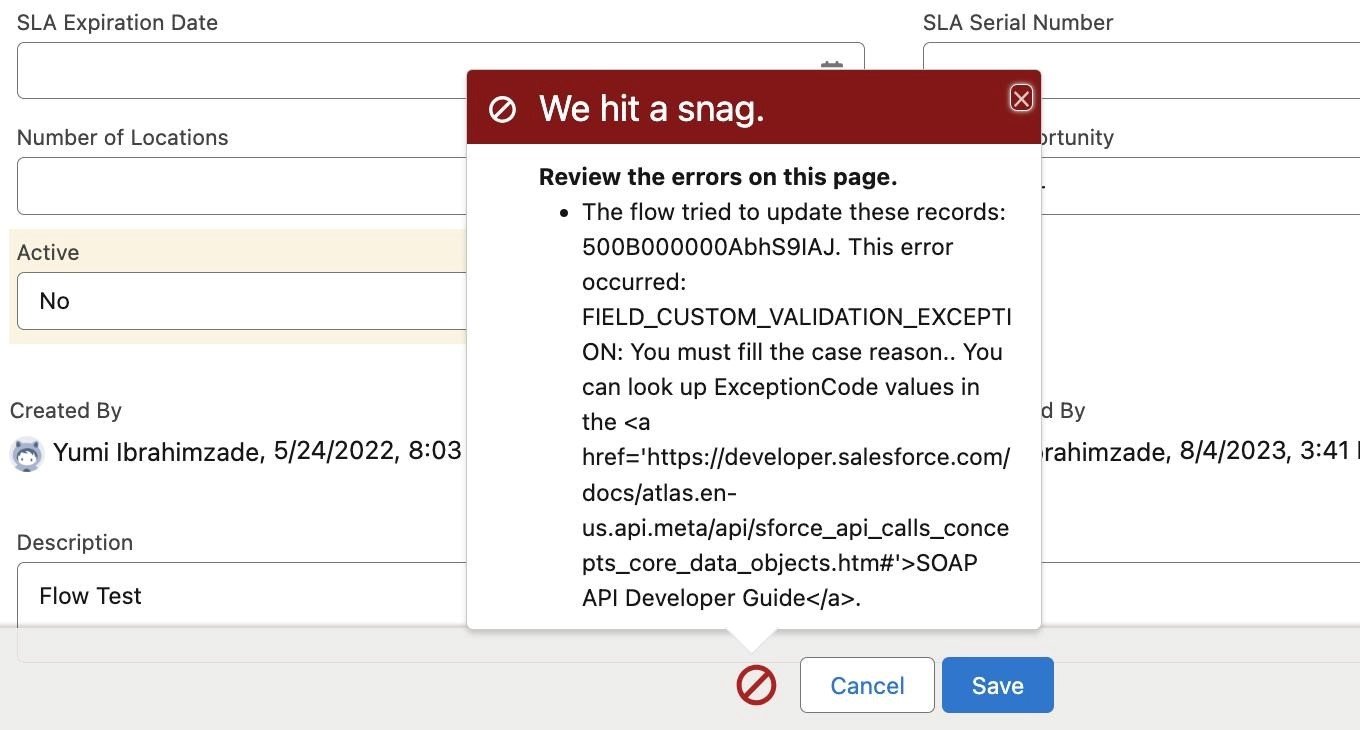
FIELD_CUSTOM_VALIDATION_EXCEPTION |
Validation rule failed |
Review the rule and input |
|
DUPLICATE_VALUE |
Duplicate record detected |
Adjust duplicate rules or data |
|
INVALID_FIELD_FOR_INSERT_UPDATE |
Field is not writable |
Remove or fix field permissions |
|
STRING_TOO_LONG |
Value exceeds limit |
Trim the input |
REQUIRED_FIELD_MISSING
What it means
This error shows up when you try to create or update a record without providing a required field.
Why it happens
Usually one of the following:
- A required field was left empty
- An API request didn’t include all required fields
- A validation rule is enforcing required input
How to fix it
Check the object fields and make sure all required ones are included. If this is coming from an integration, validate the payload before sending it. If you’re working with integration services, make sure your data mapping includes all mandatory fields before the request reaches Salesforce.
INSUFFICIENT_ACCESS_ON_CROSS_REFERENCE_ENTITY
What it means
The user doesn’t have access to a related record being referenced.
Why it happens
- Missing permissions on the object
- Record is not shared with the user
- Lookup field points to a restricted record
How to fix it
Start with the user’s profile and permission sets. Then check record-level sharing and role hierarchy. In most cases, this is a simple access issue. A Salesforce expert can quickly diagnose whether the problem is field-level security, object permissions, or sharing rules.
This is one of the most common errors in multi-team implementations where access control isn’t properly configured from the start.
FIELD_CUSTOM_VALIDATION_EXCEPTION
What it means
A validation rule has blocked the operation.
Why it happens
- Business rule conditions are not met
- Required logic is failing
- Field values don’t satisfy the rule
How to fix it
Go to the object’s validation rules in Setup and identify which rule is firing. Either correct the submitted data or update the rule if it’s overly restrictive.
During implementation, an implementation expert reviews validation rules to ensure they support your workflow, not block it. Too many validation rules without clear documentation is a sign of poor configuration.
DUPLICATE_VALUE
What it means
Salesforce is preventing a duplicate value from being saved.
Why it happens
- Duplicate rules are active
- A field is marked as unique
How to fix it
Check duplicate rules and matching rules. If duplicates are expected in your use case, you may need to relax the rules or adjust your data handling. For companies managing data across multiple systems, an MSP partner can help configure duplicate prevention that works across your entire tech stack—Salesforce, ERP, and other platforms.
INVALID_FIELD_FOR_INSERT_UPDATE
What it means
You’re trying to write to a field that isn’t editable.
Why it happens
- Field is read-only
- It’s a formula or system field
- Field-level security restricts access
How to fix it
Remove that field from your update or insert request. If needed, review field-level security to confirm whether it should be editable.
STRING_TOO_LONG
What it means
The value you’re trying to save is longer than the field allows.
Why it happens
- Input data exceeds character limits
- Integration sends unvalidated text
How to fix it
Check the field’s length and trim the value accordingly. It’s a good idea to validate this before sending data to Salesforce.
INVALID_CROSS_REFERENCE_KEY
What it means
The record ID being used is invalid or not accessible.
Why it happens
- Incorrect ID format
- Record doesn’t exist
- Wrong environment (sandbox vs production)
How to fix it
Verify the ID and make sure it belongs to the correct object and environment. Also confirm the user has access to that record.
MIXED_DML_OPERATION
What it means
Salesforce does not allow changes to setup objects and non-setup objects in the same transaction.
Why it happens
For example, updating a User record and an Account record together in one transaction.
How to fix it
Separate the operations. In Apex, you can use future methods or queueable jobs to handle this cleanly.
“`
@future
public static void updateUserAsync() {
// handle user update separately
}
“`
UNABLE_TO_LOCK_ROW
What it means
Another process is currently updating the same record.
Why it happens
- Parallel updates
- Bulk operations running at the same time
How to fix it
Introduce retry logic or reduce concurrency. This is common in integrations and batch processing.
INVALID_SESSION_ID
What it means
The session used for the request is no longer valid.
Why it happens
- Session expired
- Invalid or outdated token
How to fix it
Re-authenticate and generate a new session. For integrations, make sure token refresh logic is in place.
How to Debug Salesforce Errors
If the error message isn’t clear enough, debugging becomes important.
Common tools you should use:
- Debug Logs
- Developer Console
- Workbench
Here’s what a typical debug interface looks like:
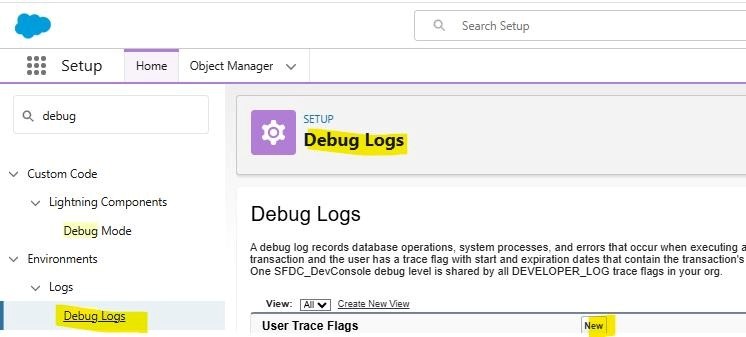
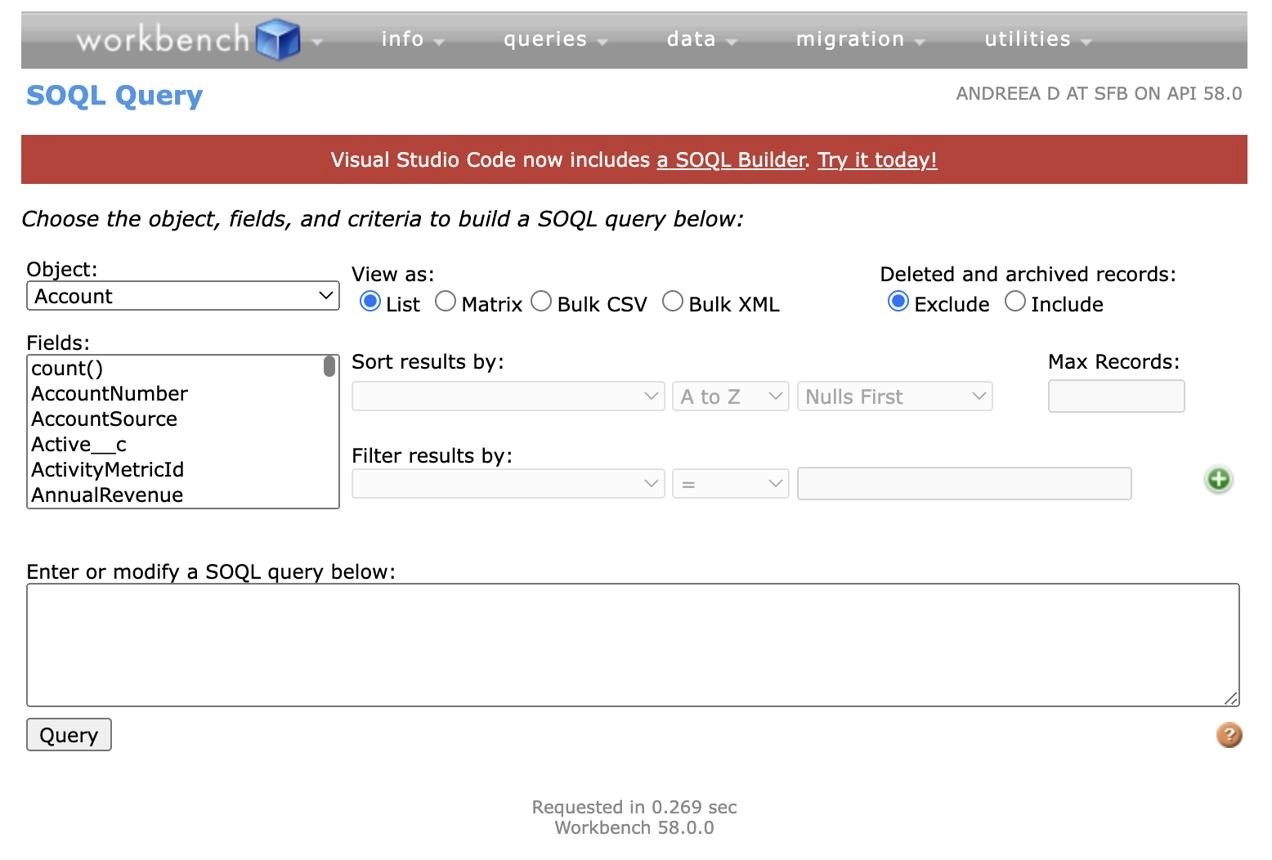
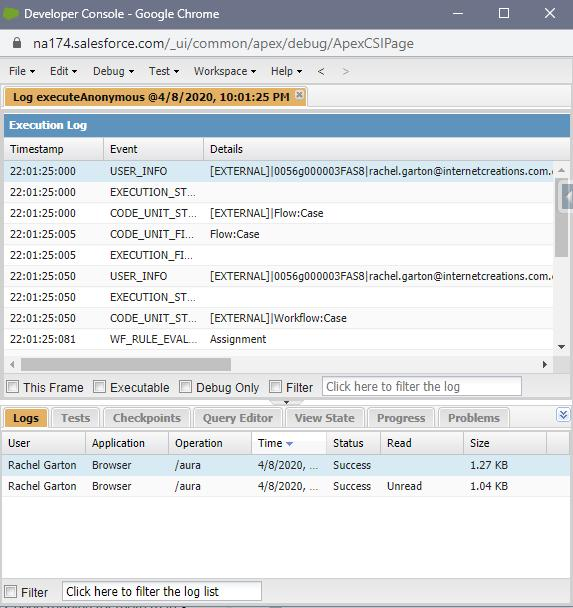
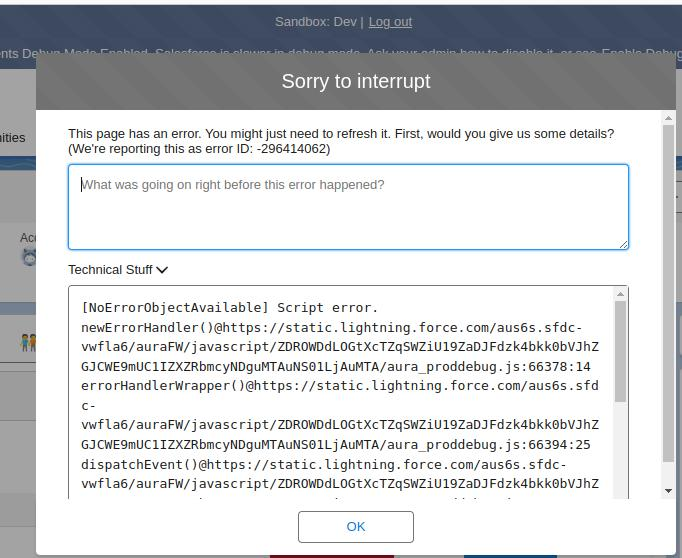
Start by enabling debug logs for the affected user, reproduce the issue, and then trace what went wrong step by step.
Common Mistakes That Lead to Errors
A lot of recurring issues come from the same patterns:
- Overly strict validation rules
- Incorrect permission setup
- Hardcoded IDs in Apex
- Poor handling of API data
Fixing these at the design level prevents many errors later.
Best Practices to Avoid Salesforce Errors
- Validate data before saving or sending
- Avoid hardcoding record IDs
- Use proper exception handling in Apex
- Test changes in sandbox before deploying
- Monitor logs regularly
Final Thoughts
Salesforce errors are not always complex, but they can slow things down if you don’t recognize them quickly. Once you understand the common ones and how they behave, troubleshooting becomes much faster.
If your team frequently deals with these issues, it usually points to gaps in validation, permissions, or integration design. Fixing those areas will reduce errors significantly over time.